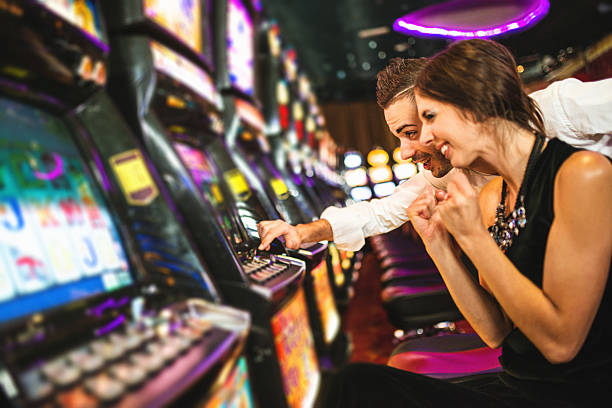
The Thrill of the Game
The allure of gambling at casinos often stems from the thrill and excitement that players experience. This thrill is not merely about the prospect of monetary gain; it encompasses the anticipation and uncertainty that accompany each game. When players place their bets, they enter a realm filled with emotional highs and lows, similar to the atmosphere found at sticksandstonescafetorquay.com , where the possibility of winning can trigger a rush of adrenaline, activating the brain’s reward system and releasing dopamine, the “feel-good” neurotransmitter. This biochemical response reinforces the behavior of gambling, creating a cycle that can be difficult to escape.

Furthermore, the social aspect of gambling adds another layer to the psychological experience. Many players enjoy the camaraderie that comes with being in a bustling casino, sharing moments of excitement or disappointment with others. The environment is meticulously designed to enhance this social interaction, featuring amenities like bars, dining options, and live entertainment that encourage players to stay longer. This blend of social engagement and thrill magnifies the overall experience and can lead to a stronger attachment to the activity.
Moreover, the concept of risk and reward is a fundamental psychological driver in gambling. Many individuals find themselves drawn to the idea of taking risks in pursuit of significant rewards, which can be particularly appealing in a casino setting. The chance to win big can overshadow the inherent risks, causing players to focus more on potential gains than losses. This cognitive bias can lead to a phenomenon known as “loss chasing,” where gamblers continue to wager in hopes of recovering lost money, further entrenching them in the gambling cycle.
The Role of Cognitive Bias
Cognitive biases play a crucial role in how gamblers perceive their chances of winning. One common bias is the “gambler’s fallacy,” where individuals believe that past outcomes influence future results. For instance, a player might think that after a series of losses at a slot machine, they are “due” for a win, leading them to gamble more aggressively. This fallacy can create an illusion of control over the unpredictable nature of gambling, encouraging further participation despite statistical evidence that each game is independent of previous outcomes.
Another cognitive bias is the “illusion of control,” where players believe they can influence the outcome of a game through skill or strategy, even in games primarily governed by chance, such as roulette or slot machines. This belief can be reinforced by instances of wins, leading players to think their actions have a significant effect on the game. Such distortions in thinking can prompt gamblers to engage in riskier behavior, as they may underestimate the odds and overestimate their winning potential.
Additionally, many gamblers may experience cognitive dissonance between their desire to gamble and the potential negative consequences, such as financial loss or relationship strain. To reconcile this conflict, they might rationalize their behavior, focusing on past wins or the excitement of the experience rather than acknowledging the risks. This mental juggling act can create a cycle of continued gambling, as individuals shield themselves from the reality of their situation by concentrating on hopeful outcomes rather than logical assessments.
Emotional Attachment to Gambling
The emotional stakes in gambling can heighten the overall experience, transforming it into a source of both joy and distress. Players often develop a strong emotional connection to their activities, which can lead to a sense of identity intertwined with their gambling habits. For many, winning reinforces feelings of self-worth and boosts confidence, while losing may foster feelings of shame and frustration. This emotional rollercoaster can create a dependence on gambling as a means to escape negative feelings or enhance positive ones.
Moreover, the relationship between gambling and mental health cannot be overlooked. Many individuals with underlying psychological issues, such as anxiety or depression, may find solace in gambling as a temporary escape from their problems. Casinos often provide an environment that distracts from personal challenges, albeit temporarily. However, this coping mechanism can lead to a detrimental cycle, where individuals become reliant on gambling to manage emotions, further entrenching them in potential addiction.
Interestingly, advertisements and promotions used by casinos can also target emotional triggers. By highlighting the excitement and glamour of winning, casinos appeal to the desires and fantasies of gamblers. This marketing strategy often emphasizes the potential for success while downplaying the odds against winning. As a result, players may feel even more compelled to engage with gambling, driven by the promise of happiness and fulfillment that success in games is said to provide.
The Impact of Environment on Gambling Behavior
The design and ambiance of a casino can significantly influence gambling behavior. Casinos are meticulously crafted to create an atmosphere that invites players to engage in gambling. From the layout of the games to the sounds and lighting, every element is designed to stimulate excitement and a desire to stay longer. The absence of clocks and windows can create a sense of timelessness, encouraging gamblers to lose track of time and immerse themselves in the gaming experience.
The pervasive presence of rewards, such as complimentary drinks or loyalty programs, further enhances the experience and encourages prolonged play. These incentives can create feelings of loyalty and belonging among players, reinforcing their emotional connection to the casino. This environment, combined with the thrill of the game, creates a sensory overload that makes it difficult for individuals to recognize when they are overspending or engaging in risky behavior.
Additionally, peer pressure can come into play in these vibrant environments. The sight of others winning and engaging in gameplay can provoke a desire to join in the fun, pushing individuals to gamble more than they intended. Social norms established within the casino, such as celebrating wins or openly discussing games, can further pressure individuals to conform to gambling culture, sometimes leading to irresponsible betting behaviors. This social dynamic can ultimately contribute to the normalization of gambling within certain groups, perpetuating a cycle of gambling addiction and reckless behavior.
Understanding Responsible Gambling
Despite the psychological and social dimensions of gambling, there is a growing emphasis on responsible gambling practices. Understanding the psychology behind gambling can help individuals recognize the signs of problematic behavior and promote healthier interactions with gaming activities. Education around the mechanisms of addiction, cognitive biases, and emotional triggers can empower players to make more informed choices. This knowledge is vital in fostering a balanced approach to gambling.
Many casinos are implementing programs and tools to support responsible gaming initiatives, such as self-exclusion options, limits on deposits, and educational resources. These measures aim to create a safe gaming environment that acknowledges potential risks while still allowing for enjoyment. By encouraging players to set boundaries and understand their motivations, these initiatives help reduce the likelihood of problematic gambling behaviors.
Ultimately, understanding the psychology behind gambling at casinos serves not only to inform players but also to drive systemic changes within the industry. By fostering an environment that prioritizes responsible gaming, both casinos and players can work together to ensure that gambling remains an enjoyable leisure activity rather than a harmful addiction. This approach emphasizes the importance of awareness and control in the face of an experience that is designed to be exhilarating yet inherently unpredictable.