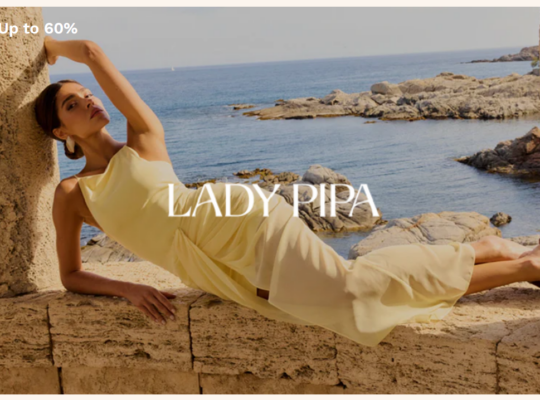
Fashion is much more than the clothes people wear every day. It is a powerful form of self expression that allows individuals to communicate their personality, creativity, mood, and lifestyle. From simple everyday outfits to carefully designed formal looks, fashion gives everyone an opportunity to present themselves in a unique way. Trends may change from season to season, but personal style remains an important part of fashion. Understanding clothing, colors, accessories, fabrics, and styling can help anyone create a wardrobe that feels both comfortable and confident.
The Evolution of Fashion
Fashion has changed continuously throughout history. Clothing styles have been influenced by culture, technology, music, art, social movements, and changing lifestyles. Different decades introduced their own distinctive silhouettes, colors, fabrics, and accessories. Many styles that were popular decades ago continue to influence modern designers today.
Contemporary fashion often combines traditional influences with modern ideas. Vintage clothing can be mixed with contemporary pieces, while classic designs can be refreshed through new fabrics and silhouettes. This connection between the past and present gives fashion a constantly evolving character.
Understanding Personal Style
Personal style is one of the most important elements of fashion. Following trends can be enjoyable, but wearing clothing that reflects your personality can make an outfit much more meaningful. Some people prefer minimal and elegant looks, while others enjoy colorful outfits, bold patterns, relaxed streetwear, or vintage inspired clothing.
Finding personal style takes experimentation. Trying different colors, shapes, fabrics, and combinations can help people understand what makes them feel comfortable and confident. Lifestyle should also influence fashion choices. Someone with an active routine may prefer practical clothing, while someone working in a formal environment may choose tailored pieces.
Building a Versatile Wardrobe
A good wardrobe does not need to contain a huge number of clothes. Instead, it should include versatile pieces that can be combined in different ways. Classic shirts, comfortable trousers, jeans, jackets, sweaters, dresses, and suitable footwear can create a strong foundation.
Neutral colors such as black, white, beige, gray, and navy are particularly useful because they can easily be mixed with other shades. Adding a few statement pieces can bring personality and variety. A carefully planned wardrobe can provide many outfit combinations while reducing unnecessary purchases.
The Influence of Fashion Trends
Fashion trends provide inspiration and encourage people to try something new. Designers, celebrities, social media creators, magazines, and street style all influence modern trends. New colors, patterns, silhouettes, footwear styles, and accessories appear regularly.
However, not every trend needs to become part of your wardrobe. The best approach is to select trends that complement your existing style. A person who prefers classic clothing might introduce a current trend through a handbag, pair of shoes, or accessory rather than completely changing their appearance.
The Importance of Comfort
Comfort has become an essential part of modern fashion. People increasingly want clothing that looks stylish while allowing them to move freely throughout the day. Relaxed silhouettes, breathable fabrics, soft materials, and practical footwear have become popular choices.
Comfort and style can work together. Choosing the correct size, suitable fabric, and appropriate fit can make an outfit both attractive and easy to wear. When people feel comfortable, they are often more confident in their appearance.
Sustainable Fashion
Sustainable fashion has become an important consideration for consumers and the fashion industry. People are becoming more aware of clothing quality, production methods, material choices, and waste. This has encouraged interest in durable garments, second hand shopping, clothing repairs, and thoughtful purchasing.
Sustainable fashion can begin with simple habits. Buying fewer unnecessary items, taking good care of clothes, repairing damaged pieces, and donating unwanted garments can extend the life of a wardrobe. Restyling existing clothing is another creative way to enjoy fashion without constantly buying new products.
The Power of Accessories
Accessories can completely change the appearance of an outfit. Bags, watches, belts, scarves, sunglasses, jewelry, and shoes can add personality and sophistication. A simple outfit can become more elegant with carefully selected accessories.
Accessories are also a practical way to experiment with trends. Instead of replacing an entire wardrobe, someone can introduce a new style through a fashionable bag, statement jewelry, or modern footwear. Small details can often have a significant impact on an overall look.
Fashion Through the Seasons
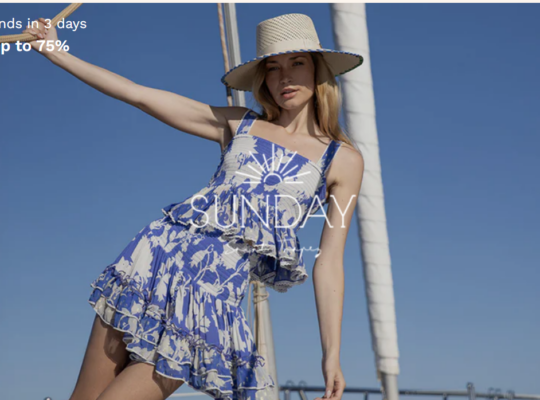
Each season offers different opportunities for fashion. Spring often encourages lighter layers and fresh colors. Summer focuses on breathable fabrics and comfortable silhouettes. Autumn is perfect for layering with jackets, sweaters, scarves, and boots. Winter allows people to experiment with coats, knitwear, warm accessories, and layered outfits.
Seasonal fashion should balance appearance with practicality. Choosing appropriate materials and layers helps people remain comfortable while maintaining a stylish appearance. Versatile pieces can also transition between seasons and provide greater value.
The Growth of Street Style
Street style has become one of the most influential areas of modern fashion. Everyday outfits seen in cities around the world often inspire designers and fashion brands. Streetwear commonly combines comfort, practicality, individuality, and creativity.
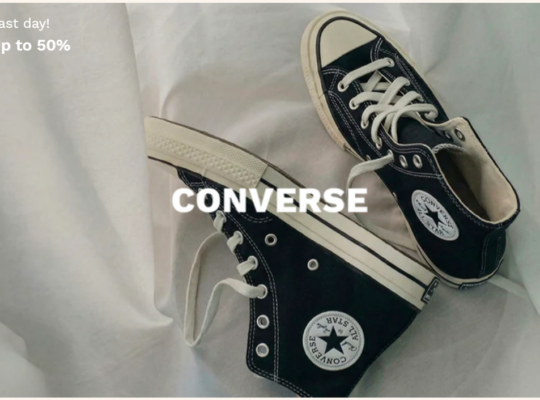
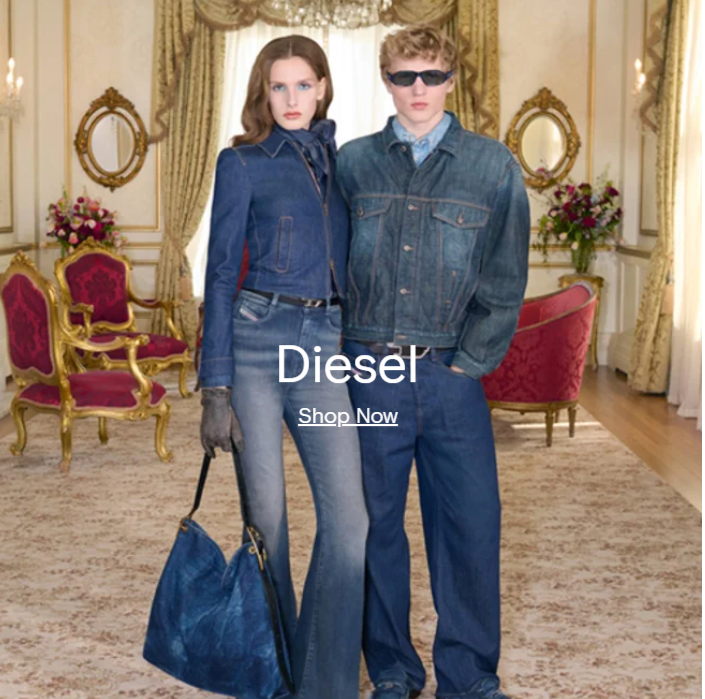
Sneakers, denim, oversized clothing, casual jackets, graphic designs, and relaxed trousers are frequently incorporated into street style. People can mix casual pieces with more polished items to create an individual appearance. This flexibility makes street fashion appealing to people of different ages and lifestyles.
Fashion and Technology
Technology is changing the fashion industry in many ways. Online shopping has made clothing accessible to consumers around the world, while social media has transformed how trends spread. Digital fashion shows, virtual styling tools, and innovative materials are also influencing the industry.
Technology has also made it easier for consumers to research brands, compare products, discover new designers, and find styling inspiration. At the same time, the growing influence of digital platforms means that trends can become popular and disappear more quickly than ever.
Choosing the Right Colors
Color is a powerful part of fashion. Different shades can create different moods and visual impressions. Neutral colors provide versatility, while brighter shades can add energy and personality. Soft colors can create a relaxed appearance, while deeper tones can provide a sophisticated feel.
There are no strict rules about which colors everyone should wear. Experimenting with different combinations is the best way to discover personal preferences. A colorful accessory can also add interest to a neutral outfit without making the overall look overwhelming.
Fashion and Confidence
Fashion can have a strong connection with confidence. Wearing clothes that fit well and reflect personal preferences can make people feel more comfortable in social and professional situations. Confidence does not depend on expensive labels or designer clothing. It comes from feeling authentic in what you wear.
A simple outfit can look impressive when it is styled thoughtfully and worn with confidence. Understanding personal preferences is more valuable than constantly comparing yourself with others.
The Future of Fashion
The future of fashion is likely to focus increasingly on sustainability, technology, comfort, and individuality. Consumers are becoming more thoughtful about their purchases, while designers are exploring innovative materials and production techniques.
Fashion will continue to change as new generations introduce different ideas. Trends will appear, disappear, and return in new forms. Despite these changes, creativity and personal expression will remain at the heart of fashion.
Conclusion
Fashion is an exciting combination of creativity, culture, comfort, and personal expression. Building a versatile wardrobe, understanding personal style, experimenting with trends, choosing useful accessories, and making thoughtful purchasing decisions can make fashion more enjoyable. The best fashion style is not necessarily the most expensive or the most fashionable according to current trends. It is the style that feels authentic and comfortable. When people understand their own preferences and wear their choices with confidence, fashion becomes a powerful way to express who they are.
Fashion