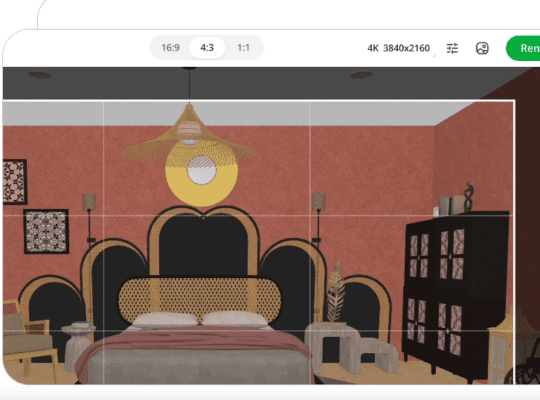

Planner 5D Home Design Software for Modern Interior Planning
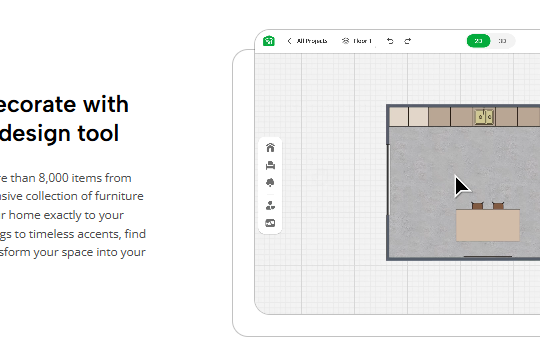
Planner 5D has become a popular choice for people who want to turn ideas into clear home design plans. Modern homeowners often want more than inspiration. They want a practical way to organize rooms, test layouts, and visualize how a space will look before making real changes. That is where digital home planning becomes useful. Instead of guessing whether furniture will fit or whether a room will feel too crowded, users can create a realistic plan first.
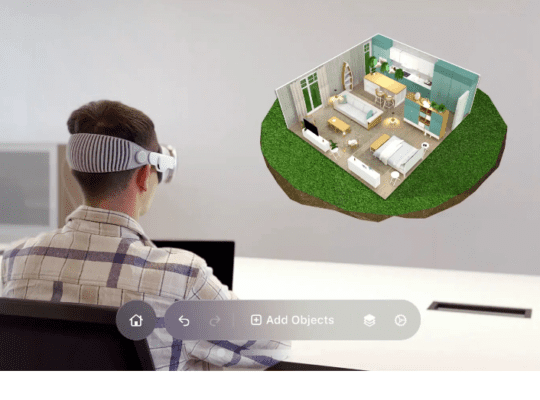
A major advantage of modern home design software is flexibility. Whether someone is planning a new home, renovating a small apartment, or redesigning a single room, a digital planning tool makes the process easier. It helps users understand how dimensions, movement, lighting, and furniture placement work together. Rather than relying only on imagination, they can see a structured visual representation of their ideas.
Home design today is no longer only for architects or professional designers. Many homeowners now want direct involvement in the creative process. They want to experiment with layouts, materials, and styles before committing to a final decision. That approach saves time, reduces mistakes, and often leads to better results.
Planner 5D Open-Concept Layout Ideas for Better Space Flow
One of the biggest trends in contemporary interiors is the open-concept layout. This design approach combines areas such as the living room, dining room, and kitchen into one connected space. It creates a sense of openness and makes even medium-sized homes feel larger and brighter.
Using Planner 5D for open-concept planning allows users to explore how different zones can connect naturally. Instead of separating rooms with solid walls, users can test furniture arrangements and circulation paths. This helps create a smooth flow from one activity area to another.
Open layouts are popular because they support modern lifestyles. Families can cook, relax, and spend time together without being isolated in separate rooms. They also make entertaining guests easier because movement feels natural and unrestricted. When combined with large windows and good lighting, open-concept spaces create a welcoming environment that feels fresh and spacious.
Planner 5D Living Room Design for Comfort and Elegance
The living room is often the most visible and frequently used area in a home. It should feel inviting while still expressing personal style. A successful living room balances comfort, functionality, and visual appeal.
With Planner 5D, users can experiment with sofas, coffee tables, accent chairs, rugs, and lighting before making final choices. This helps them avoid overcrowding and ensures that the room remains comfortable to move through. A digital layout can reveal whether the furniture arrangement encourages conversation, supports relaxation, and creates visual balance.
Modern living rooms often use neutral palettes, layered textures, and carefully selected focal points. Instead of filling the room with unnecessary objects, good design emphasizes proportion and harmony. A thoughtful arrangement can make the room feel calm, sophisticated, and practical at the same time.
Planner 5D Kitchen Planning for Functional Everyday Living
The kitchen has become one of the most important spaces in modern homes. It is not only used for cooking but also for family interaction, casual dining, and daily routines. Because of this, kitchen planning requires attention to both efficiency and style.
Planner 5D helps users organize work zones, test cabinet placement, and visualize how movement will happen between preparation, cooking, and cleaning areas. This is especially helpful because small layout changes can have a major impact on convenience.
A well-planned kitchen often includes smart storage, uncluttered surfaces, and enough room for natural movement. Kitchen islands, built-in storage, and clean-lined cabinetry can all improve usability. The best kitchens feel open, practical, and visually connected to the rest of the home.
Planner 5D Bedroom Design for a Calm Personal Retreat
Bedrooms should support rest, comfort, and privacy. While public spaces often focus on social interaction, the bedroom is a more personal environment. It should feel peaceful and free from unnecessary visual noise.
Using Planner 5D allows users to test bed placement, wardrobe size, side tables, and circulation space. This can help create a room that feels balanced instead of cramped. Even in smaller bedrooms, smart planning can make the space feel open and functional.
Color choices also influence the mood of the bedroom. Soft neutrals, warm textures, and layered fabrics often create a more relaxing atmosphere. Lighting should be gentle and adaptable, supporting both practical needs and evening comfort. A thoughtfully designed bedroom becomes more than a sleeping area—it becomes a private retreat within the home.
Planner 5D Natural Light and Interior Styling Inspiration
Natural light has a powerful effect on how a home feels. Bright interiors often appear larger, cleaner, and more welcoming. Good design considers window placement, room orientation, and how light moves through the home during the day.
With Planner 5D, users can better understand how space planning interacts with light. Large windows, open layouts, and carefully placed mirrors can all contribute to a brighter atmosphere. Light also affects how materials, colors, and textures appear inside the home.
Interior styling is about more than decoration. It is about creating consistency. Wood textures, soft fabrics, modern lighting, and balanced proportions all contribute to a cohesive look. When these details work together, the result feels refined without appearing excessive.
Planner 5D Complete Home Design That Reflects Personal Lifestyle
The most successful home designs are the ones that support real daily living. A beautiful room matters, but practical comfort matters even more. A well-designed home should fit the habits, routines, and priorities of the people who live there.
Planner 5D makes it easier to personalize every part of the home. Users can explore whether they need more open family space, a quiet work area, additional storage, or more efficient furniture placement. The planning process becomes more intentional because every decision can be tested visually.
A dream home is not always the largest or most expensive one. Often, it is the one that feels balanced, practical, and personal. When layout, comfort, lighting, and style come together, a home becomes more than just a building. It becomes a place that reflects lifestyle, personality, and everyday wellbeing.